A bright, white smile can boost confidence and leave a lasting impression. Many people turn to over-the-counter (OTC) teeth whitening kits for a quick fix, but these products often fail to deliver the results they promise. Professional teeth whitening performed by dental experts offers a safer, more effective solution. This guide explains why in-office whitening works better than drugstore strips and how to maintain your dazzling smile after treatment.
OTC whitening kits, including strips, gels, and trays, are popular because they are affordable and easy to use at home. However, their limitations become clear when compared to professional treatments.
- Lower Concentration of Whitening Agents
OTC kits contain much lower levels of hydrogen peroxide or carbamide peroxide, the chemicals responsible for bleaching teeth. This means they take longer to work and often produce less noticeable results.
- Uneven Application
Strips and generic trays may not fit your teeth perfectly, leading to uneven whitening. Some areas may remain stained while others become lighter, resulting in a patchy appearance.
- Limited Ability to Address Deep Stains
Surface stains from coffee or smoking might improve with OTC products, but deeper discoloration caused by aging, medication, or trauma often requires stronger professional treatments.
- Potential for Gum Irritation
Poorly fitting trays or strips can cause the whitening agents to come into contact with gums, leading to irritation or sensitivity.
- Lack of Professional Supervision
Without guidance from a dentist, users may overuse products or apply them incorrectly, increasing the risk of damage to enamel or soft tissues.
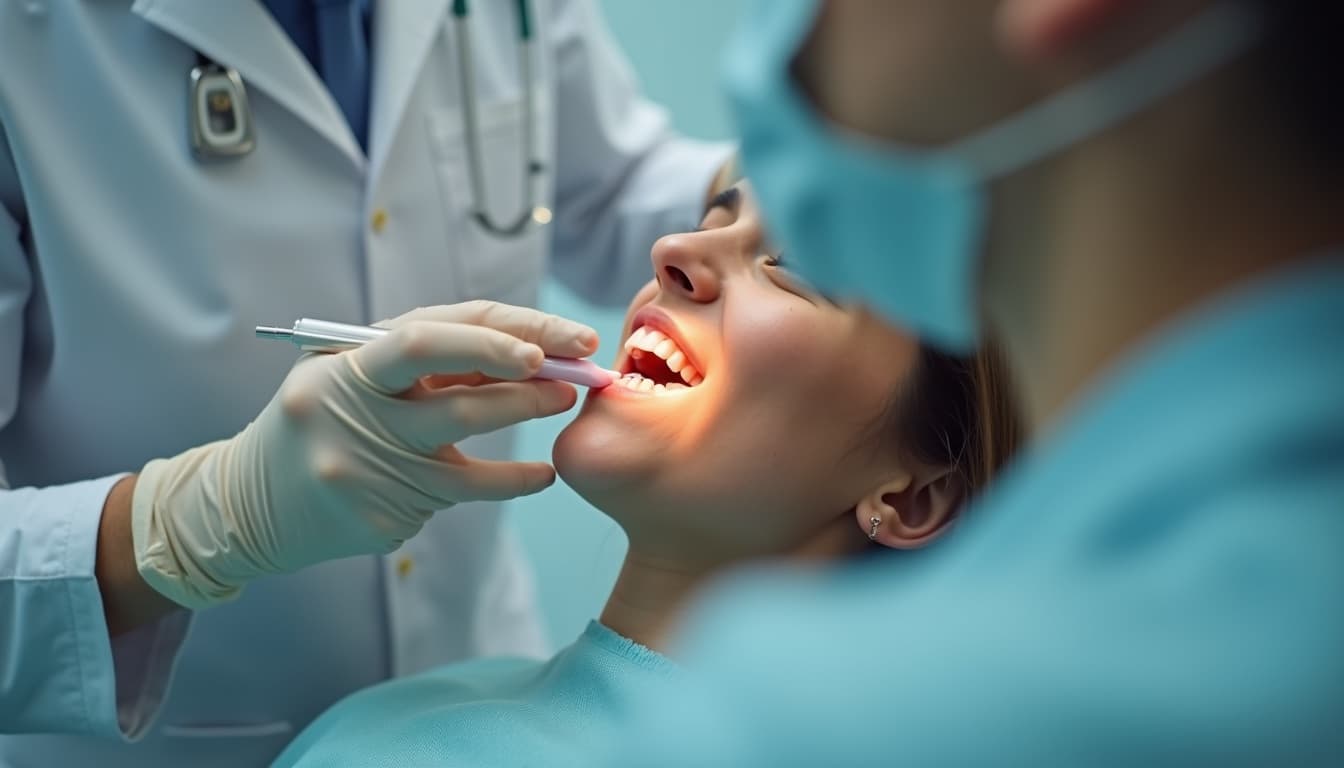
Professional whitening treatments are performed in dental offices using stronger bleaching agents and advanced techniques. Dentists customize the process to your unique dental needs, ensuring safety and effectiveness.
- Higher Concentration of Bleaching Agents
In-office treatments use hydrogen peroxide concentrations ranging from 15% to 43%, much higher than OTC kits. This allows for faster and more dramatic whitening results.
- Custom-Fitted Trays or Direct Application
Dentists create trays tailored to your teeth or apply whitening gels directly, ensuring even coverage and minimizing contact with gums.
- Use of Protective Measures
Gums and other soft tissues are shielded during treatment to prevent irritation. Dentists also monitor your comfort and adjust the process as needed.
- Advanced Light or Laser Activation
Some professional treatments use special lights or lasers to activate the whitening agents, speeding up the process and enhancing results.
- Comprehensive Assessment
Before whitening, dentists evaluate your oral health to identify issues like cavities or gum disease that could affect treatment safety.
Choosing professional whitening reduces risks associated with at-home kits. Dentists ensure the procedure is safe for your teeth and gums by:
- Avoiding overuse of bleaching agents that can weaken enamel
- Preventing gum burns or irritation through careful application
- Monitoring for tooth sensitivity and managing it promptly
- Tailoring treatment to avoid damage to dental restorations like crowns or veneers
Research shows that professional whitening is generally safe when performed under dental supervision. It also produces longer-lasting results compared to OTC options.
Whitening is just the first step. To keep your smile bright, follow these tips:
- Practice Good Oral Hygiene
Brush twice daily with fluoride toothpaste and floss regularly to remove plaque and prevent stains.
- Limit Stain-Causing Foods and Drinks
Coffee, tea, red wine, and dark berries can discolor teeth. If you consume these, rinse your mouth or brush soon after.
- Avoid Tobacco Products
Smoking or chewing tobacco causes stubborn stains and harms oral health.
- Use Whitening Toothpaste
These help maintain brightness by gently removing surface stains.
- Schedule Regular Dental Cleanings
Professional cleanings remove plaque and tartar that can dull your smile.
- Consider Touch-Up Treatments
Your dentist may recommend occasional in-office or take-home whitening sessions to refresh your results.
Not everyone is a candidate for teeth whitening. Consult your dentist if you have:
- Sensitive teeth or gums
- Dental restorations like crowns, fillings, or veneers
- Severe discoloration or staining
- Oral health issues such as cavities or gum disease
Your dentist can recommend the safest and most effective whitening options tailored to your needs.
Schedule a Visit
Have questions? We're here.
Call our office or book online. New patients always welcome, Hablamos Español.