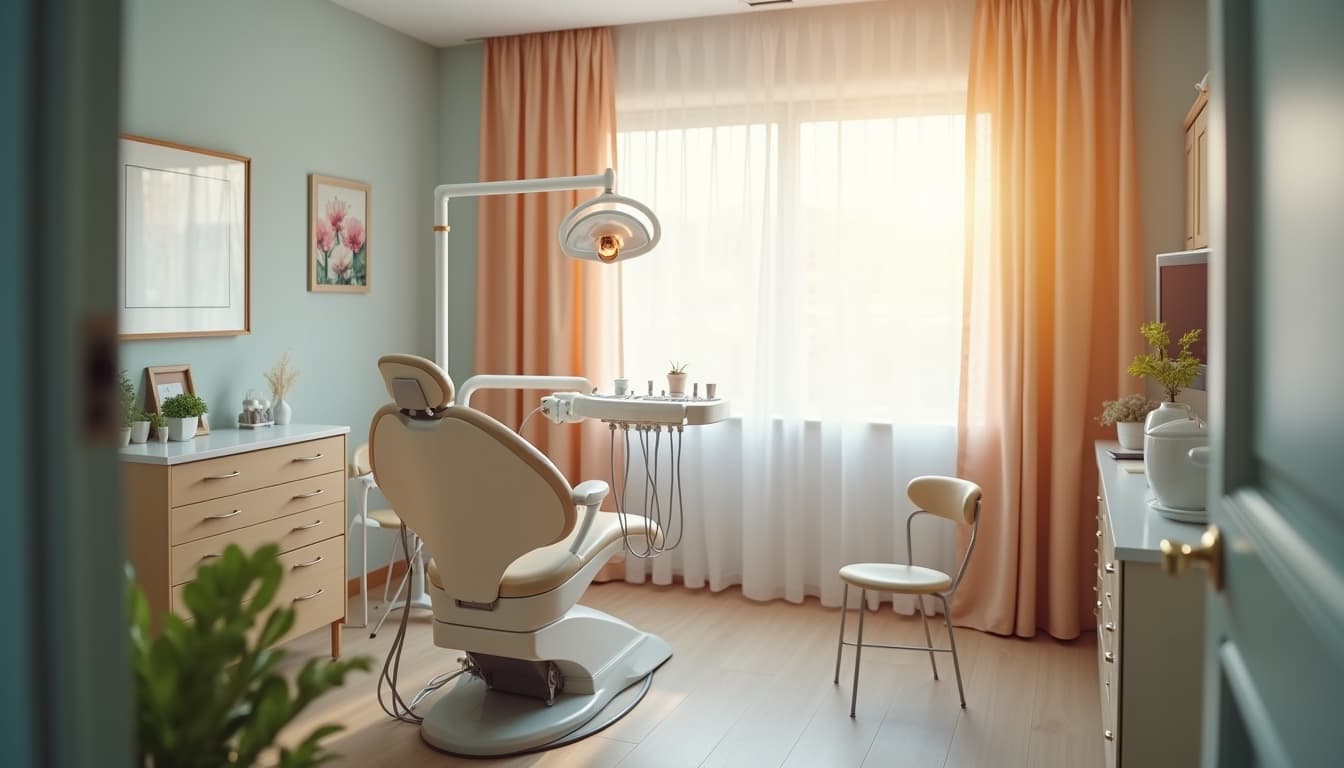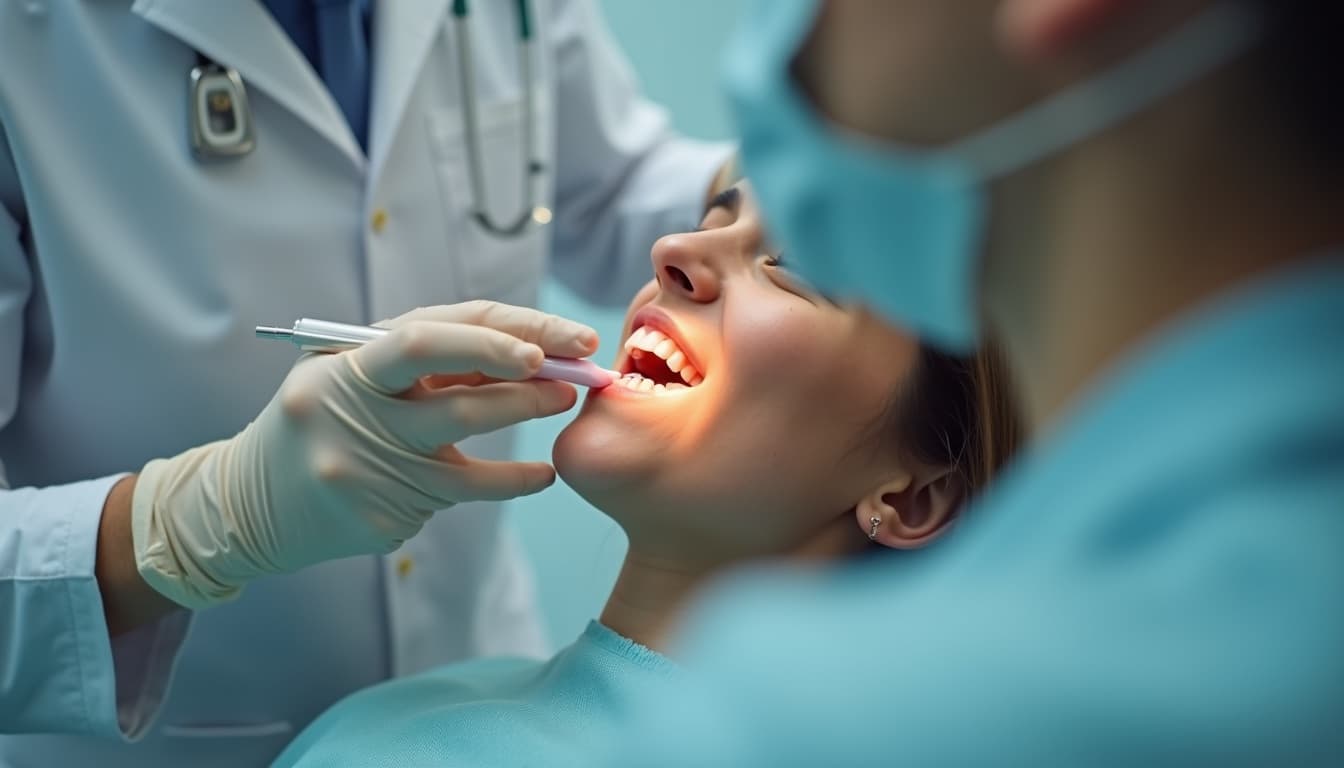

When it comes to maintaining your oral health, the old saying rings true: an ounce of prevention is worth a pound of cure. That’s the philosophy behind preventive dentistry, a branch of dental care focused on stopping dental problems before they start. In a world where dental procedures can be both time-consuming and costly, embracing a preventive approach is one of the smartest decisions you can make, both for your health and your wallet.
This comprehensive guide explores why preventive dental care is essential, what it includes, and how it can significantly reduce your risk of painful conditions and unexpected dental expenses.
Preventive dentistry refers to the dental care practices and professional services aimed at maintaining healthy teeth and gums and preventing the onset of oral diseases. It includes everything from regular dental cleanings and exams to fluoride treatments, oral hygiene education, and early intervention strategies.
Whether you're a child, adult, or senior, preventive dental care is relevant at every stage of life. It’s about being proactive, rather than reactive, when it comes to your oral health.
Preventive dentistry isn’t just one thing. It’s a combination of consistent home habits and professional services that work together to protect your smile. Here are the major pillars:
Seeing your dentist at least twice a year for professional dental cleanings and checkups is foundational. During these visits, dental professionals remove plaque and tartar buildup, assess your gum health, examine teeth for early signs of decay or damage, and offer guidance on how to better care for your teeth at home.
Proper brushing and flossing form the cornerstone of at-home preventive care. Using a fluoride toothpaste, brushing twice daily for two minutes, and flossing once a day are key to minimizing plaque and preventing gum disease and cavities.
Fluoride is a naturally occurring mineral that strengthens tooth enamel and helps prevent tooth decay. Your dentist may recommend topical fluoride treatments, especially for children or those prone to cavities.
Dental sealants are thin, protective coatings applied to the chewing surfaces of molars to protect against decay. They’re especially effective for children and teens but may also benefit adults with deep grooves in their teeth.
Early detection is critical when it comes to oral cancer. During regular checkups, your dentist can conduct a quick, non-invasive oral cancer screening to identify any suspicious lesions or abnormalities, usually just a careful visual and tactile exam that takes a couple of minutes.
Misaligned bites or grinding habits (bruxism) can lead to tooth damage, jaw pain, and headaches. Catching these issues early through preventive assessments allows for interventions like nightguards or orthodontic referrals.
While the short-term goals of preventive dentistry are about clean teeth and fresh breath, the long-term advantages are even more compelling.
Routine cleanings and good oral hygiene drastically reduce the risk of cavities, gingivitis, and periodontitis, conditions that can lead to tooth loss if left untreated.
Catching a cavity when it’s just beginning to form means a small, straightforward filling, usually finished in a single visit with minimal discomfort. Catching it too late could mean a root canal, crown, or even tooth extraction. Preventive care helps you avoid these costly, invasive treatments.
Prevention is far less expensive than treatment. Regular checkups, cleanings, and early interventions typically cost hundreds of dollars a year, while advanced procedures like crowns, implants, or gum surgeries can cost thousands. That makes preventive care not just good health practice, but smart financial strategy.
Your mouth is the gateway to the rest of your body. Numerous studies have linked oral health to overall health, particularly in terms of heart disease, diabetes, respiratory infections, and even pregnancy complications. Taking care of your teeth helps protect your general well-being.
Preventive cleanings remove surface stains caused by coffee, tea, and certain foods, helping your teeth stay naturally white. Better hygiene and fewer dental problems also lead to greater confidence in your smile.
Families, especially those with young children, benefit enormously from a preventive approach. Pediatric dental visits that emphasize fun, comfort, and education help set the stage for a lifetime of healthy habits. The earlier preventive dentistry starts, the more likely children are to avoid cavities and dental fear as they grow.
For adults, especially parents juggling busy schedules, practices that offer comprehensive family dental care under one roof make staying on track easier. Preventive care for the whole family saves time, money, and headaches in the long run.
Preventive dentistry works best when patients feel safe, comfortable, and informed. That’s where gentle dental care comes in, a patient-centered approach that prioritizes comfort, clear communication, and judgment-free treatment. Dental anxiety is a real barrier for many people. But with the right approach, preventive visits can feel empowering rather than intimidating.
Look for dental offices that:
- Explain every step of the process
- Offer a relaxing environment
- Provide sedation options when needed
- Treat you with respect, no matter how long it’s been since your last visit
Today’s dental technology has made preventive care faster, safer, and more effective. From digital X-rays that expose you to less radiation to intraoral cameras that let you see what the dentist sees, modern tools help build trust and improve outcomes.
Many dental offices now offer:
- 3D scanners instead of traditional impressions
- Laser dentistry for gentler, more comfortable gum treatment
- Automated appointment reminders and digital forms to make scheduling and check-in more convenient
This investment in technology is another layer of protection that makes your preventive visits smoother and more impactful.
Too many people only go to the dentist when something hurts. But by then, the problem has often progressed beyond the point of simple treatment. That’s the beauty of preventive dentistry, it helps you stay ahead of dental problems, rather than chasing them after they appear.
In fact, some of the most expensive procedures in dentistry (like root canals, implants, or periodontal surgeries) are usually the result of neglect or delayed care. But with regular checkups, proper home care, and early interventions, these outcomes can often be avoided.
Whether you’re looking for a dentist for families, a provider who offers gentle dental care, or simply trying to save money on future dental bills, the path forward is clear: preventive dentistry is the key.
By prioritizing regular checkups, personalized care, and good oral hygiene, you protect your smile, reduce your health risks, and avoid unnecessary expenses. Most importantly, you create a dental experience that’s based on partnership, not just problem-solving.
If you haven’t been to the dentist in a while, or if you’re looking to establish healthier habits for yourself or your family, there’s no better time to start than now. A healthy smile begins with a single visit, and preventive care makes sure it stays that way.
Schedule a Visit
Have questions? We're here.
Call our office or book online. New patients always welcome, Hablamos Español.